alternative fuel prices in Austria
LPG price in Austria in
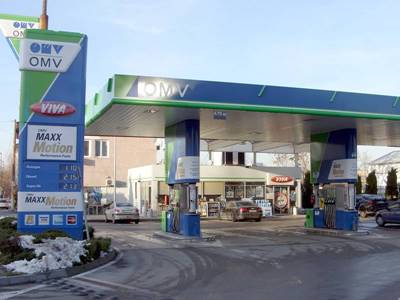
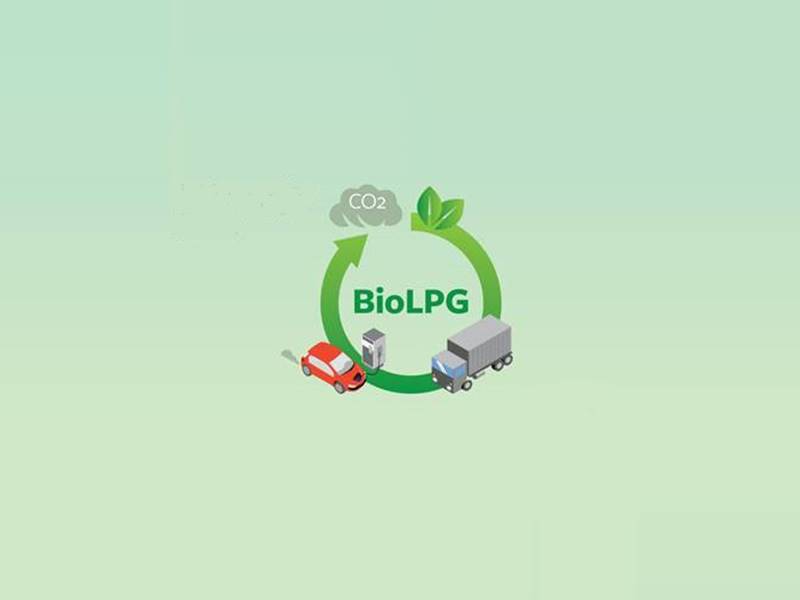
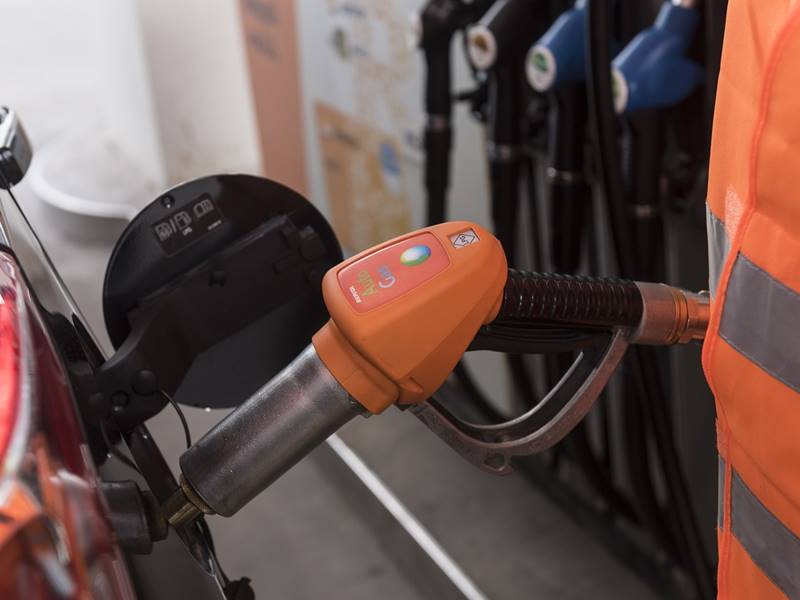
Automotive LPG is known in the LPG industry as autogas. It is a liquefied petroleum gas that consists of fuels such as butane and propane and is used in vehicle engines, among other things. It is no coincidence that an LPG car is considered a cheaper alternative to conventional petrol engines in Austria: the price of LPG in Austria is only half that of petrol.
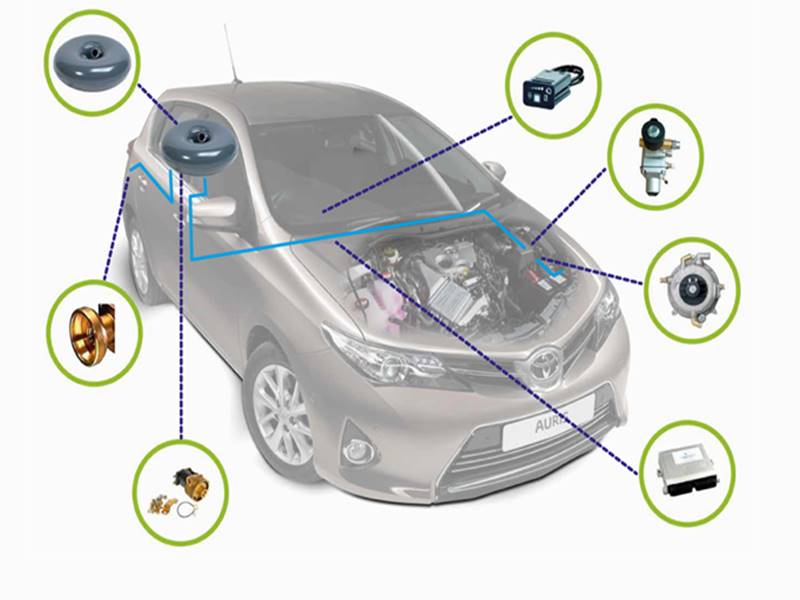
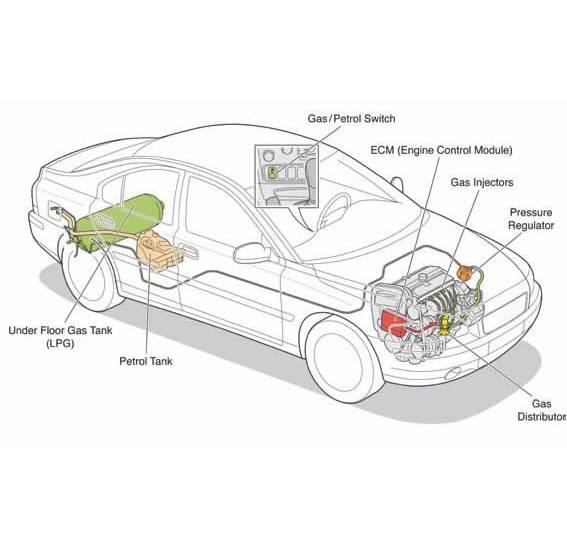
When calculating the cost of LPG, not only the price of fuel plays a role, but also the price of an LPG conversion or the installation of an LPG system. After all, a car can only run on LPG if it is converted to LPG, especially if it runs on petrol, which can cost around 2,000 euros depending on the engine and the LPG retrofit system.
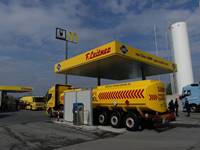
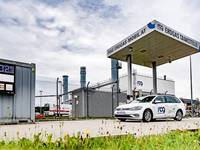
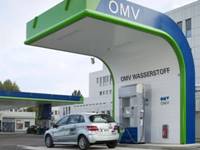
In Austria, the network of LPG filling stations is already relatively well developed. It is certainly a positive development that the number of LPG filling stations has increased in recent years.
In Austria, the price for LPG is significantly lower than for other mobility options and has been very stable in recent years.
The average price of LPG Autogas in Austria in
The average price of LPG Autogas in Austria in is
€/litre.
LPG Average Price History in Austria
Price List by Service Station in Austria
LPG price news in Austria
More information about Autogas prices in Austria
Why should you be interested in LPG?
-
Up to 40% savings
See the price of LPG at the points of sale with data updated to
-
Wide range of CNG Compressed Natural Gas models
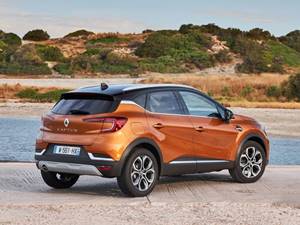
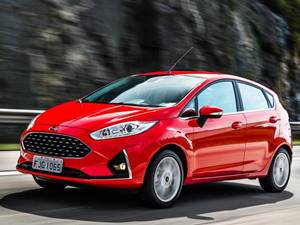
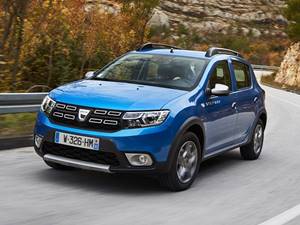
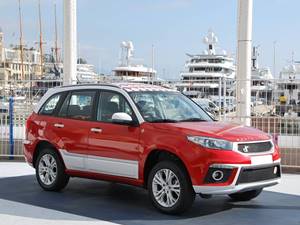
Discover the range of models ready to use LPG as a fuel for sale at
-

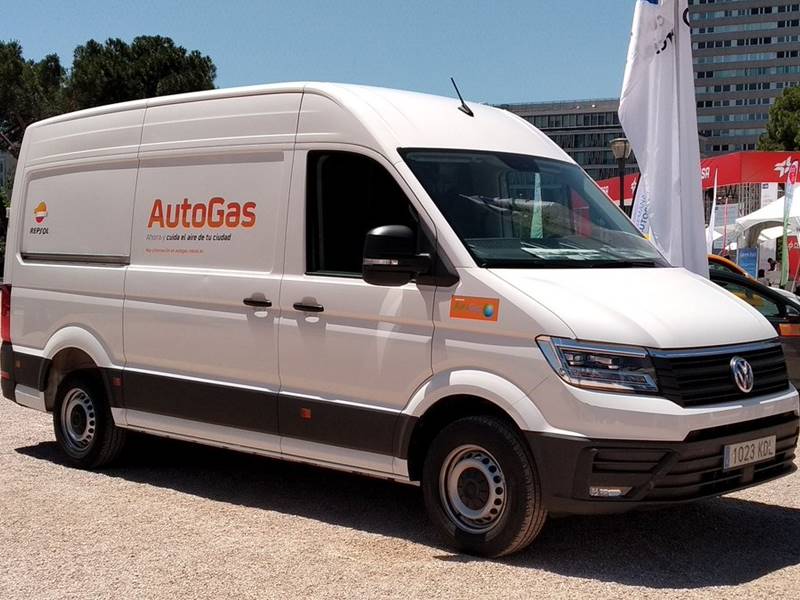
Also commercial vehicles
You can opt for LPG in order to save money and be cleaner with them.
-
Many refueling stations
Discover that propane is available very close to you in many places