alternative fuel prices in Switzerland
LPG price in Switzerland in
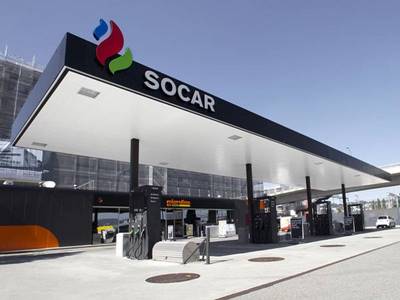
For decades, LPG has been one of the alternatives to conventional fuels in Switzerland. The abbreviation LPG stands for "Liquefied Petroleum Gas", which means liquefied fossil oil, and it is a very economical fuel, as 1 litre of LPG costs about half the price of petrol. In Switzerland, it is considered an environmentally friendly fuel and is taxed less than other fuels.
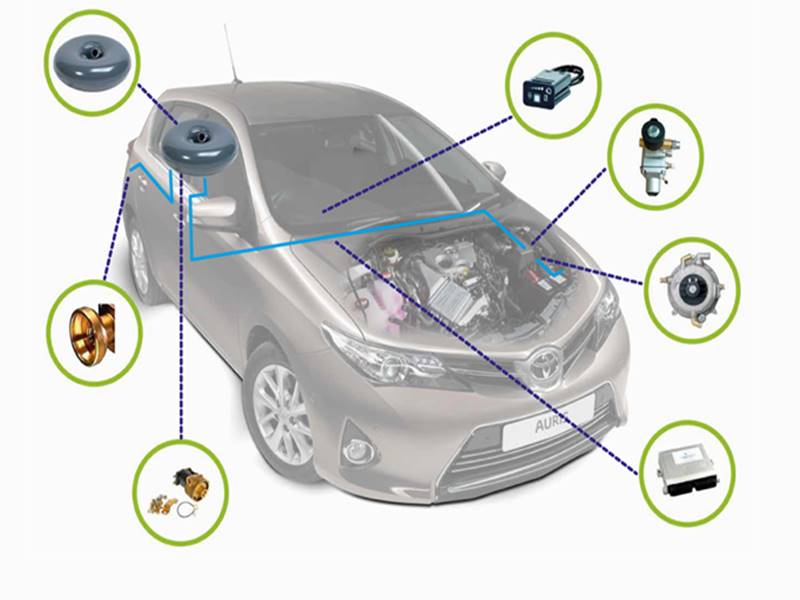
The usual way to be able to use LPG in a vehicle is to convert a petrol vehicle to bivalent operation with LPG and petrol, which is offered by some dealers as an after-sales solution. This is especially interesting if you drive a lot of kilometres, as it saves you a considerable amount of fuel.
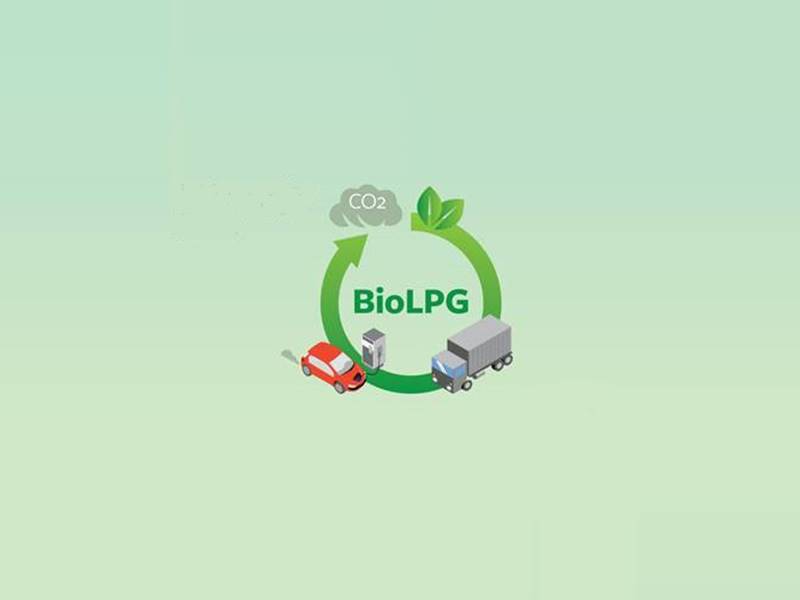
LPG is a fuel that is increasingly derived from natural gas and - even cleaner - from BioGLP. For frequent drivers, it is worth converting their vehicle to LPG, as the advantages are many and the probability of failure is statistically the same as for any other vehicle.
In Switzerland, the price of LPG is stable in its development and remains about half the price of other fuels.
The average price of LPG Autogas in Switzerland in
The average price of LPG Autogas in Switzerland in is
€/litre.
LPG Average Price History in Switzerland
More information about Autogas prices in Switzerland
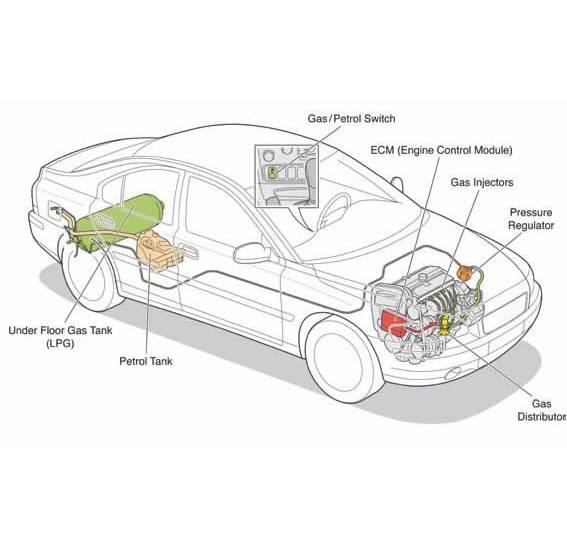
Why should you be interested in LPG?
-
Up to 40% savings
See the price of LPG at the points of sale with data updated to
-
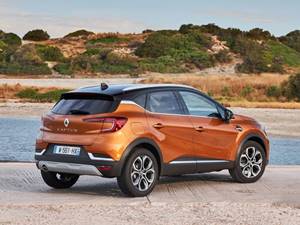
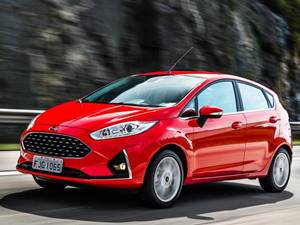
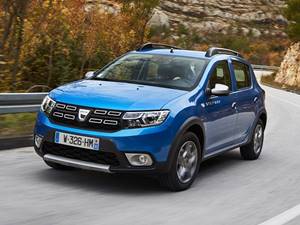
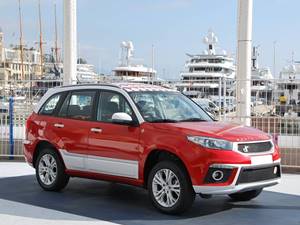
Wide range of CNG Compressed Natural Gas models
Discover the range of models ready to use LPG as a fuel for sale at
-

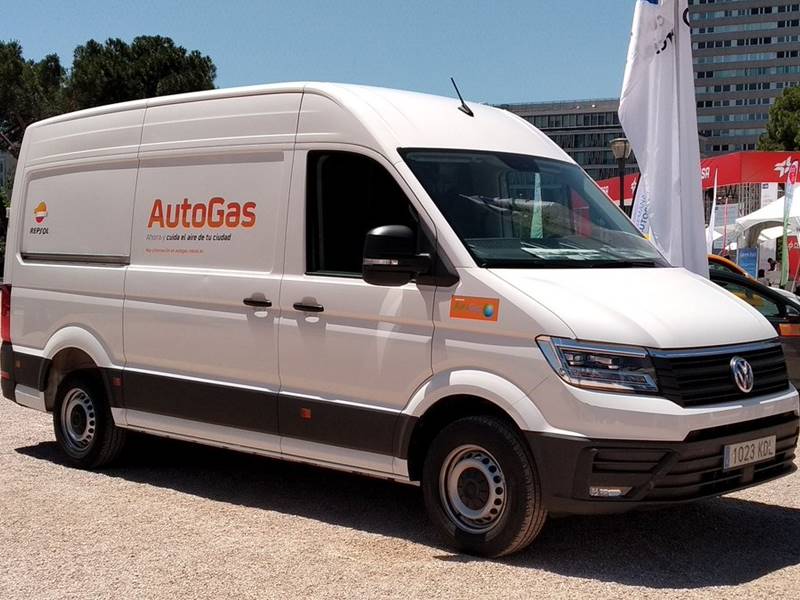
Also commercial vehicles
You can opt for LPG in order to save money and be cleaner with them.
-
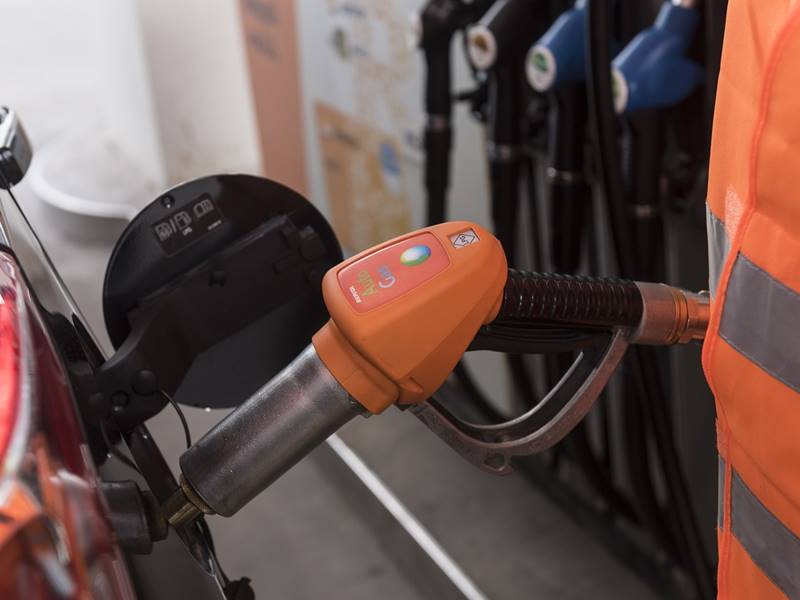
Many refueling stations
Discover that propane is available very close to you in many places