alternative fuel prices in Italy

CNG price in Italy in
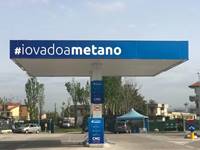
The entire natural gas distribution and sale sector in Italy, and with it its users (1 million vehicles), views with fear the increase in the reference price of gas which has now multiplied by five compared to the same period last year. The well-known price escalation is calling into question a reference sector in Italy
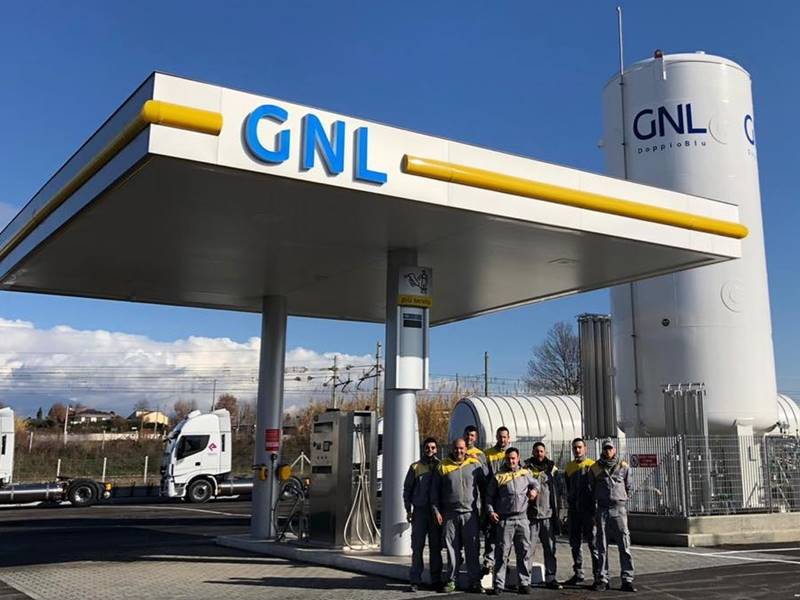
In Italy there are more than 1,500 CNG service stations, more than 1 million natural gas vehicles on the roads, of which approximately 2,000 CNG trucks and 5,000 buses. Distribution infrastructures already supply 30% biomethane and there are more and more distributors that supply 100% biomethane. Biomethane production could easily cover 25% of the total consumption of all fuels for national road transport.
In order to mitigate the adverse effects of gas price increases, a 20% tax credit has been proposed for purchases of natural gas for road transport. The increase in the price of gas has seriously affected transport companies that, for economic, commercial and environmental reasons, have chosen natural gas as a solution to "green" their fleet of heavy vehicles.
It is expected that the price of CNG in Italy will stabilize with the gradual sale of BioCNG at service stations in Italy, which would make the country independent from imports, making the price of methane for automobiles cheaper
Average CNG Price in Italy in
The Average Price of CNG in Italy in is
1,352
€/KG
Price History of Average CNG Prices in Italy
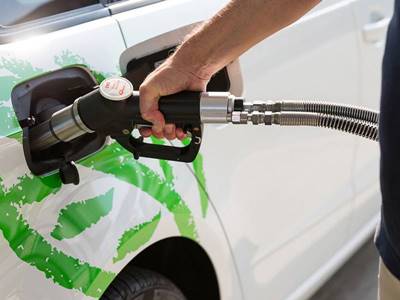
Price list by Service Station in Italy
| DEALER | CITY | PROVINCE | PRICE (€/KG) |
|---|---|---|---|
| Q8 | Roma | Lazio | 1,379 |
| ENI | Milano | Lombardia | 1,399 |
| ECOFUEL | Napoli | Campania | 1,199 |
| IP | Torino | Piemonte | 1,299 |
| ENI | Palermo | Sicilia | 1,619 |
| ENI | Genova | Liguria | 1,485 |
| Q8 | Bologna | Emilia-Romagna | 1,249 |
| BEYFIN | Firenze | Toscana | 1,289 |
| ESSO | Bari | Puglia | 1,299 |
| ESSO | Catania | Sicilia | 1,999 |
| METANAUTO | Verona | Veneto | 1,217 |
| VEGA ROMEA | Venezia | Veneto | 1,189 |
| IP | Messina | Sicilia | 1,569 |
| ENI | Padova | Veneto | NA |
| ESSO | Parma | Emilia-Romagna | 1,299 |
| ESSO | Brescia | Lombardia | 1,289 |
| CEM CARBURANTI | Prato | Toscana | 1,289 |
| ENERGAS | Taranto | Puglia | 1,419 |
| ENERFUEL | Modena | Emilia-Romagna | 1,299 |
| ENI | Reggio Calabria | Calabria | 1,299 |
| EGO | Reggio Emilia | Emilia-Romagna | 1,299 |
| IS | Perugia | Umbria | 1,179 |
| ENI | Ravenna | Emilia-Romagna | 1,179 |
| MAE | Livorno | Toscana | 1,499 |
| ENI | Pisa | Toscana | 1,229 |
News about CNG prices in Italy


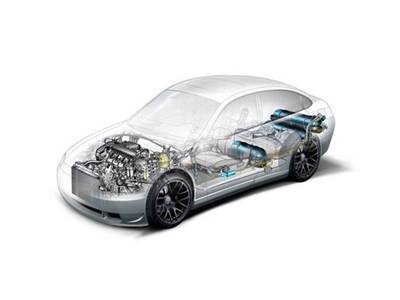
Why might you be interested in CNG?
-
big savings
Find out the price of CNG at service stations with updated data
-

Many models with CNG
Discover the list of vehicles ready to use CNG as fuel for sale
-

And vans that use CNG
If you need a van to be able to save and reduce emissions, try CNG
-
And it's available in many places
See how Compressed Natural Gas is offered at service stations on your route