Hydrogen Prices at France Stations
Current hydrogen landscape in France
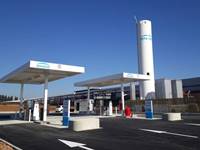
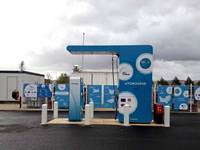
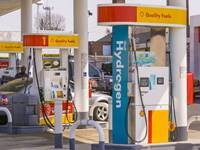
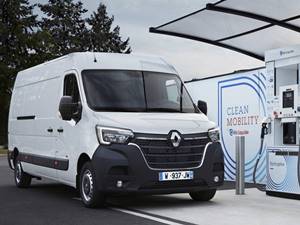
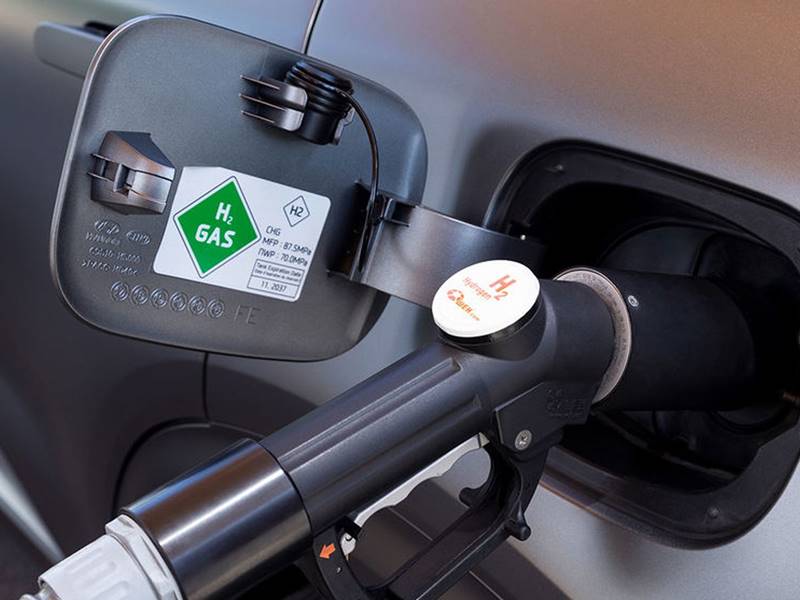
France is positioned as one of the European leaders in hydrogen mobility, with an expanding network of service stations. By the end of 2025, the country will have more than 40 operational stations, mainly concentrated in metropolitan regions and strategic corridors.
"France will allocate €9 billion by 2030 to position itself as a European leader in green hydrogen" - Bruno Le Maire, Minister of Economy (Speech at Choose France 2023)
"Hydrogen is our strategic commitment to decarbonize industry and heavy transport" - Agnès Pannier-Runacher, Minister of Energy Transition
"Our regions will be laboratories for the mobility of the future with projects like Zero Emission Valley" - Laurent Wauquiez, President of AuRA
Hydrogen Prices by City and Region
The French market shows significant variations in hydrogen prices depending on geographic location. In Paris and its metropolitan area, prices range between €11.50 and €13.20 per kilogram, with peripheral stations such as Versailles offering the best rates. Lyon shows a range of €12.30 to €13.80, with notable differences between stations in the city center and those located in industrial areas.
Marseille has the highest prices in the country, between €13.00 and €14.50, a direct consequence of the lower density of stations and associated logistics costs. Toulouse, which benefited from the HyPort project, maintains competitive prices between €11.80 and €12.90. Nantes is at the national average with €12.50 to €13.30, while Strasbourg offers prices ranging from €12.00 to €13.10, with particular competitiveness at stations near the German border.
Regional differences are due to multiple factors: local production costs, station density, competition between operators, and specific support from regional governments. Regions with green hydrogen projects, such as Auvergne-Rhône-Alpes and Occitanie, show more stable prices and a downward trend.
National Aid and Subsidy Strategy
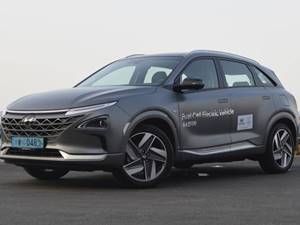
The French government has developed one of the most comprehensive incentive packages in Europe to promote hydrogen mobility. The Ecological Bonus has been extended for 2024, offering up to €7,000 for passenger cars (up from €6,000 in 2023), €9,000 for light commercial vehicles, and €50,000 per unit for trucks in fleets of more than five vehicles. These grants are complemented by specific regional programs.
The Auvergne-Rhône-Alpes region stands out with an additional €4,000 for taxis and VTCs, while Occitanie offers €3,500 for self-employed individuals who purchase hydrogen vans. Île-de-France has implemented a five-year road tax exemption for all hydrogen vehicles registered in the region. These measures are coordinated with national programs such as "Hydrogen in the ZFE," which subsidizes up to 60% of professional fleet conversions.
For freight transport, the "Camions Propres" program offers €30,000 per hydrogen truck, while companies can benefit from 40% aid for the installation of private stations, with a limit of €200,000 per project. The fiscal framework complements these measures with a total exemption from the TICPE (Internal Tax on Energy Consumption), accelerated depreciation of 100% in the first year for companies, and a reduced VAT rate of 5.5% for refueling services.
Infrastructure Deployment and Future Plans
France is following the "Hub & Corridor" model for the deployment of refueling stations, with 44 stations operational by the end of 2023, reaching an average capacity of 200 kg per day. The cumulative investment exceeded €280 million, laying the groundwork for the planned expansion: 100 stations in 2025 (€650 million) and 400 in 2030 (€2.1 billion). This network is structured into three main types.
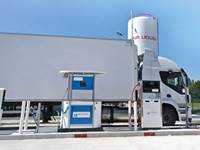
Urban stations (Type I) offer capacities of 100-300 kg/day with a pressure of 350 bar, designed for light vehicles and urban fleets. Corridor stations (Type II), located on main logistics axes, reach 500-1,000 kg/day with 700 bar for heavy transport. Logistics centers (Type III) exceed 2,000 kg/day and incorporate on-site production, as demonstrated by the H2V Dunkerque platform.
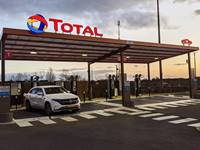
Financing models combine public subsidies (up to 50% of the cost through ADEME), territorial contracts in Low Emission Zones, and private commitments such as TotalEnergies' to install 100 stations by 2030. Landmark projects such as H2ME 2 (5 multi-energy stations on A6/A7 corridors) and the Normandy-Paris alliance (12 strategic stations) illustrate this collaborative approach.
Perspectives and Recommendations for Users
Forecasts for 2024-2025 anticipate price reductions of 8-12%, driven by increased local production of green hydrogen (projects such as H2V Normandie), economies of scale, and the potential for a more sustainable future. scale in distribution and new production subsidies (€0.30/kg bonus for renewable hydrogen). The authorities have guaranteed the maintenance of current subsidies until at least 2026, with semi-annual reviews to adjust the amounts.
The Île-de-France region has announced that it will double its hydrogen subsidy budget by 2025, reaching €120 million annually. This investment will be complemented by training programs for professionals and public awareness campaigns on the advantages of hydrogen mobility.
For potential users, it is recommended to consult the France Hydrogène interactive map to identify stations with the best prices, combine national and regional subsidies (reaching up to €15,000 in total subsidies in some cases), and consider long-term supply contracts with operators to obtain discounts of 10-15%. Professional fleets can optimize their transition through targeted conversion programs and available tax benefits.
This comprehensive ecosystem of support, combined with progressive price reductions and infrastructure deployment, is significantly accelerating the adoption of hydrogen vehicles in France. Professional and freight transport are emerging as the main beneficiaries, although urban applications are gaining ground thanks to technological advances and institutional support.
References
- https://www.afhypac.org
- https://www.h2-mobile.fr
- https://www.ecologie.gouv.fr
- https://www.airliquide.com/hydrogen-energy
- https://www.engie.com
- https://www.totalenergies.fr